
02, 2nd Cross Rd, opposite BBMP Park, Hosapalaya, Muneshwara Nagar, Bengaluru, Karnataka 560068
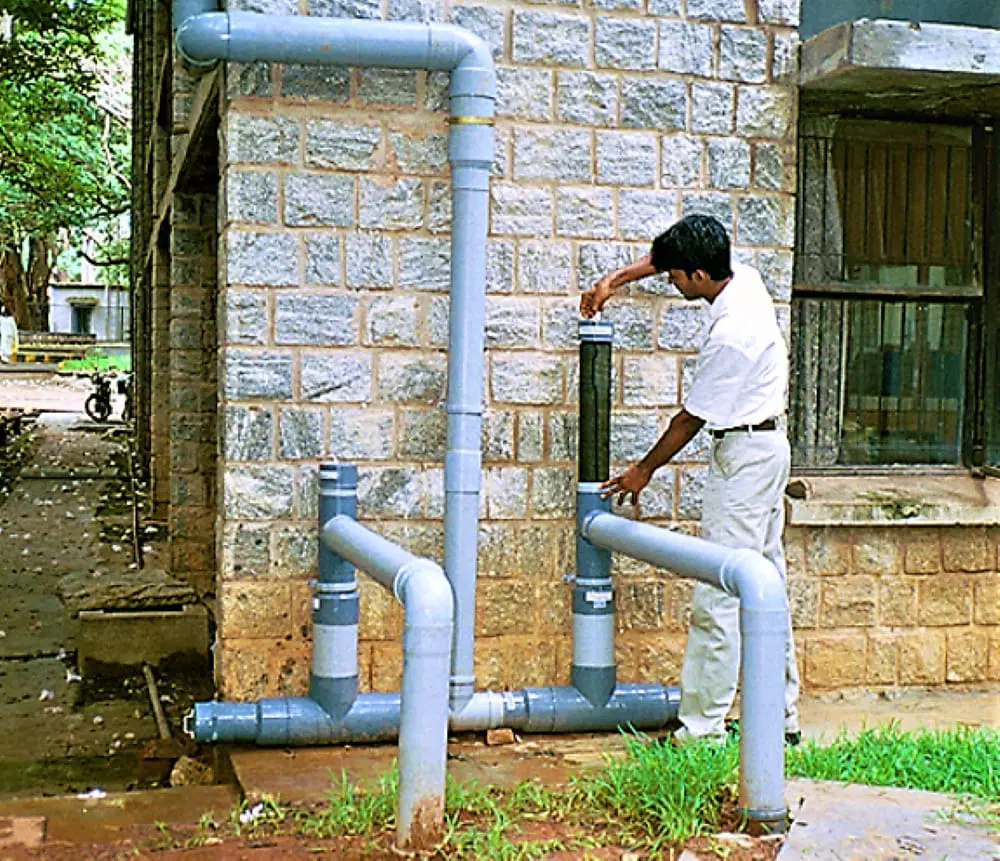
Rainwater Harvesting and Water Purifier Bangalore will define how the city survives water stress after 2026. With groundwater levels falling and tanker costs rising, Bangalore homes and apartments are moving beyond traditional borewell dependence. The future lies in integrating rainwater harvesting with advanced water purification systems.
This shift is no longer just about conservation. It is about creating a self-sustaining water ecosystem for drinking, bathing, and daily usage.
Why Rainwater Alone Is Not Enough
Rainwater is relatively clean but not automatically safe for use. It can contain:
- Atmospheric pollutants
- Roof debris and dust
- Bacteria from storage tanks
Without proper treatment, harvested rainwater cannot be used as drinking water. This is where water purifiers, RO systems, and hard water filters become critical.
How Rainwater Harvesting and Water Purifiers Work Together
A future-ready system follows this flow:
- Rainwater collection from rooftops
- First-flush diversion to remove contaminants
- Pre-filtration using sand and carbon filters
- Storage in treated tanks
- Final purification using:
- RO water purifier
- UV water purifier
- RO UV water purifier
- Separate routing for:
- Drinking water purifier for home
- Water filter and softener for usage water
This integration ensures safe RO water for drinking and soft water for daily use.
Best Water Purifier Setup for Rainwater-Based Homes
Homes using rainwater harvesting will increasingly adopt:
- RO water purifier for home for drinking
- UV UF water purifier as secondary protection
- Water softener filter to manage mineral imbalance
- Hard water filter for mixed borewell + rainwater supply
The best water purifier for home in such setups is modular and upgrade-ready.
Impact on Apartments and Gated Communities
By 2026, apartment associations will:
- Mandate rainwater harvesting systems
- Reduce tanker dependency
- Install centralized commercial RO plants
A commercial water purifier connected to harvested rainwater can supply:
- Drinking points
- Kitchens
- Clubhouses
- Guest areas
This significantly lowers monthly water costs.
Bangalore Areas Adopting Rainwater + Purifier Systems Faster
Early adoption is already visible in these PIN codes:
- 560102 – HSR Layout
- 560034 – Koramangala / Agara
- 560068 – Begur / Bommanahalli / Madivala
- 560100 – Electronics City
- 560083 – Bannerghatta Road / Gottigere
- 560103 – Bellandur / Panathur
- 560037 – Marathahalli / Kundalahalli
- 560076 – Hulimavu / JP Nagar Phase 8
- 560099 – Bommasandra / Hebbagodi
- 560105 – Jigani / Anekal
These areas face both water scarcity and rising tanker costs.
Government Push and Compliance
Local authorities and water boards are increasingly encouraging:
- Rainwater harvesting compliance
- Water reuse and conservation
- Safe drinking water standards
Homes that combine rainwater harvesting with water purifiers align better with future regulations and sustainability goals.
Cost Advantage by 2026
An integrated system helps:
- Reduce tanker expenses
- Lower borewell dependency
- Extend RO membrane life
- Improve water availability during summer
This makes buying a water purifier part of a long-term water strategy, not a standalone purchase.
What This Means for Homeowners
By 2026 and beyond:
- RO purifiers will no longer work in isolation
- Hard water to soft water filters will be standard
- Rainwater will become a primary water source
- Smart filtration will control quality automatically
Homes without integrated systems will face higher costs and water uncertainty.
Internal Links
- Water Purifier Bangalore
- Water Softener Bangalore
- Bathroom Softener Bangalore
- Commercial RO Plant Bangalore
External DoFollow References
- Ministry of Jal Shakti – Rainwater Harvesting & Water Conservation
https://jalshakti-dowr.gov.in - World Health Organization – Drinking Water Safety
https://www.who.int/teams/environment-climate-change-and-health/water-sanitation-and-health
Conclusion
The future of water in Bangalore will not depend on a single solution. Rainwater Harvesting and Water Purifier Bangalore systems working together will define sustainable living after 2026.
Homes and communities that plan now will secure water independence, safety, and long-term savings.