
02, 2nd Cross Rd, opposite BBMP Park, Hosapalaya, Muneshwara Nagar, Bengaluru, Karnataka 560068
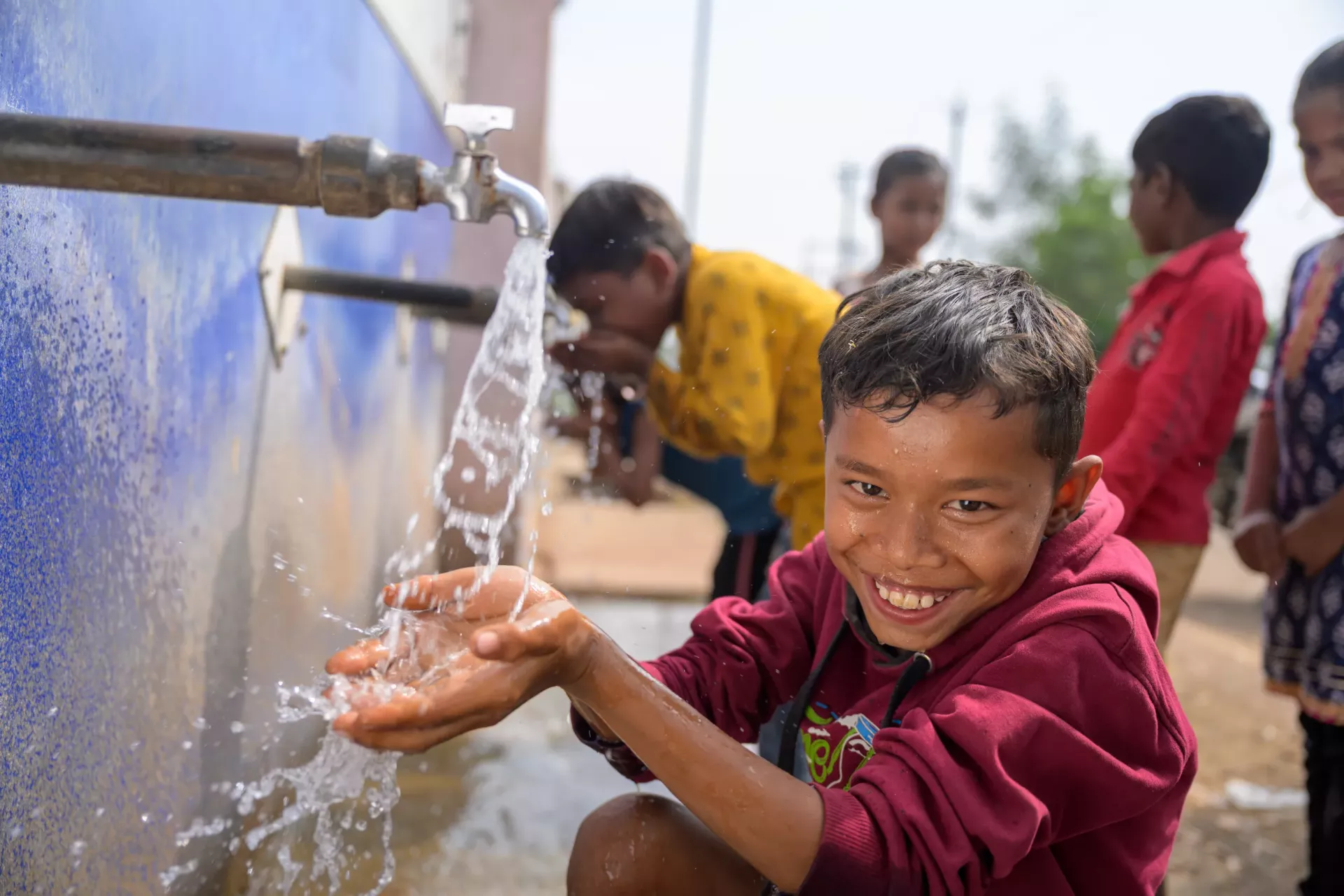
Government Drinking Water Guidelines Bangalore are becoming increasingly important as water quality issues rise across the city. With growing dependence on borewell and mixed water supply, government bodies have laid down clear standards to ensure that drinking water supplied to homes, schools, offices, and commercial establishments is safe for consumption.
Understanding these guidelines helps property owners, institutions, and businesses remain compliant while protecting public health.
Who Sets Drinking Water Standards in India?
In India, drinking water quality is regulated by the Bureau of Indian Standards (BIS) under the IS 10500 Drinking Water Specification. These standards are followed by:
- Municipal water authorities
- Educational institutions
- Hospitals and healthcare facilities
- Commercial establishments
- Residential apartments
The guidelines define acceptable limits for physical, chemical, and microbiological parameters in drinking water.
Key BIS IS 10500 Parameters That Matter
According to government guidelines, drinking water should meet limits for:
- Total Dissolved Solids (TDS)
- Hardness (Calcium & Magnesium)
- pH value
- Chloride and fluoride
- Iron and heavy metals
- Bacteria and pathogens
Water exceeding these limits is considered unsafe and requires treatment using RO water purifiers, UV purification, or commercial RO plants.
Government Advisory on RO Water Purifiers
Government and regulatory bodies recommend RO water purifiers in areas where:
- TDS levels exceed safe limits
- Borewell water is used
- Chemical contamination is present
For low-TDS municipal water, UV or UV UF water purifiers are considered sufficient. This distinction helps consumers choose the right drinking water purifier for home without unnecessary expense.
Drinking Water Rules for Schools and Colleges
Government health and education departments emphasize safe drinking water in schools. Institutions are advised to:
- Install certified drinking water purification systems
- Conduct periodic water quality testing
- Maintain records of filter and membrane replacement
- Ensure safe storage and hygienic dispensing
Many schools now adopt commercial RO plants or centralized purification systems to meet daily demand and comply with health guidelines.
Guidelines for Apartments and Commercial Buildings
Apartment associations and commercial buildings are advised to:
- Test water quality at regular intervals
- Install suitable purification systems based on source water
- Maintain separate pipelines for drinking water
- Ensure periodic system maintenance
A commercial water purifier or centralized RO system helps large buildings meet compliance requirements efficiently.
Why Government Guidelines Matter for Bangalore Residents
Failure to follow drinking water guidelines can result in:
- Health risks due to contaminated water
- Higher medical expenses
- Reduced appliance life due to hard water
- Complaints from residents, parents, or employees
Installing the right water purifier, hard water filter, or water softener ensures compliance and long-term safety.
Common Bangalore Areas Where Compliance Is Critical
Government advisories are especially relevant in high-TDS and borewell-dependent areas such as:
- 560102 – HSR Layout
- 560034 – Koramangala / Agara
- 560068 – Begur / Bommanahalli / Madivala
- 560100 – Electronics City
- 560083 – Bannerghatta Road / Gottigere
- 560103 – Bellandur / Panathur
How Homes and Institutions Can Stay Compliant
To align with Government Drinking Water Guidelines Bangalore, experts recommend:
- Conducting TDS and hardness testing
- Installing certified purification systems
- Maintaining AMC and service records
- Reviewing water quality annually
Professional assessment ensures both safety and regulatory alignment.
Internal
- Water Purifier Bangalore
- Commercial RO Plant Bangalore
- Water Softener Bangalore
- Bathroom Softener Bangalore
External DoFollow References
- Bureau of Indian Standards – IS 10500 Drinking Water Specification
https://www.bis.gov.in - Ministry of Jal Shakti – Drinking Water Programs
https://jalshakti-dowr.gov.in
Conclusion
Government drinking water guidelines are designed to protect public health, especially in cities like Bangalore where water quality varies widely. Whether for homes, schools, apartments, or commercial buildings, following Government Drinking Water Guidelines Bangalore through proper purification, testing, and maintenance ensures safe water today and a healthier future for everyone.